The Mythopoetic Path
Image comes first.
Not symbol as label. Not image as illustration. Image as primary event — something felt before it is understood, known in the body before the mind has words for it.
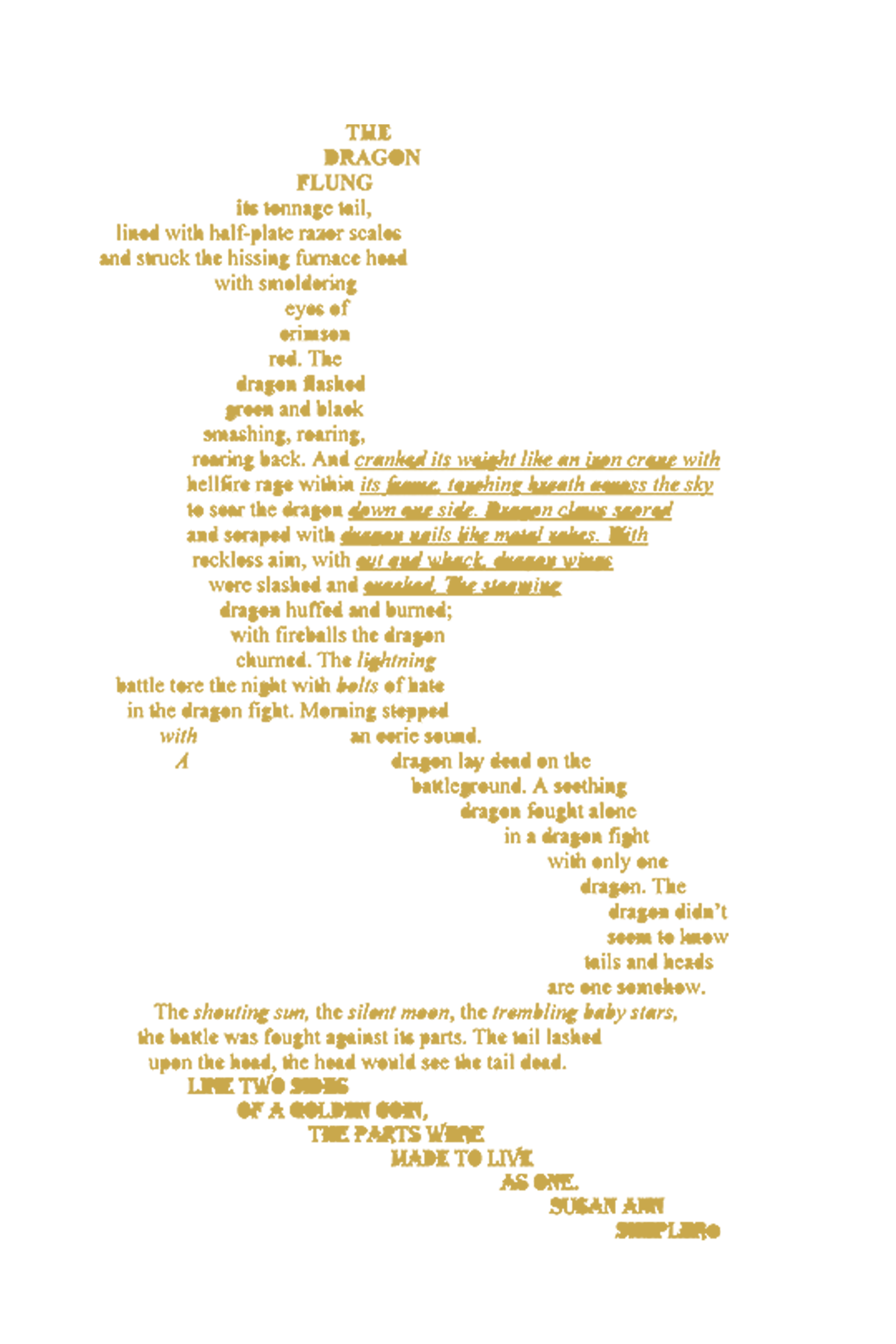
Each poem in this collection takes the shape of its symbol. The text becomes the figure. From that shaped figure, Jungian amplification moves outward — producing card images that carry the energy through affect and imagery, not through explanation. The cards do not tell you what a symbol means. They let the symbol work on you.
Every image here is connected to the Jungian path of Individuation — the universal movement toward wholeness that Jung understood as the deepest purpose of the psyche. These are not decorative symbols. They are interior figures, and they are already at work in you.
First Figure · The Anima
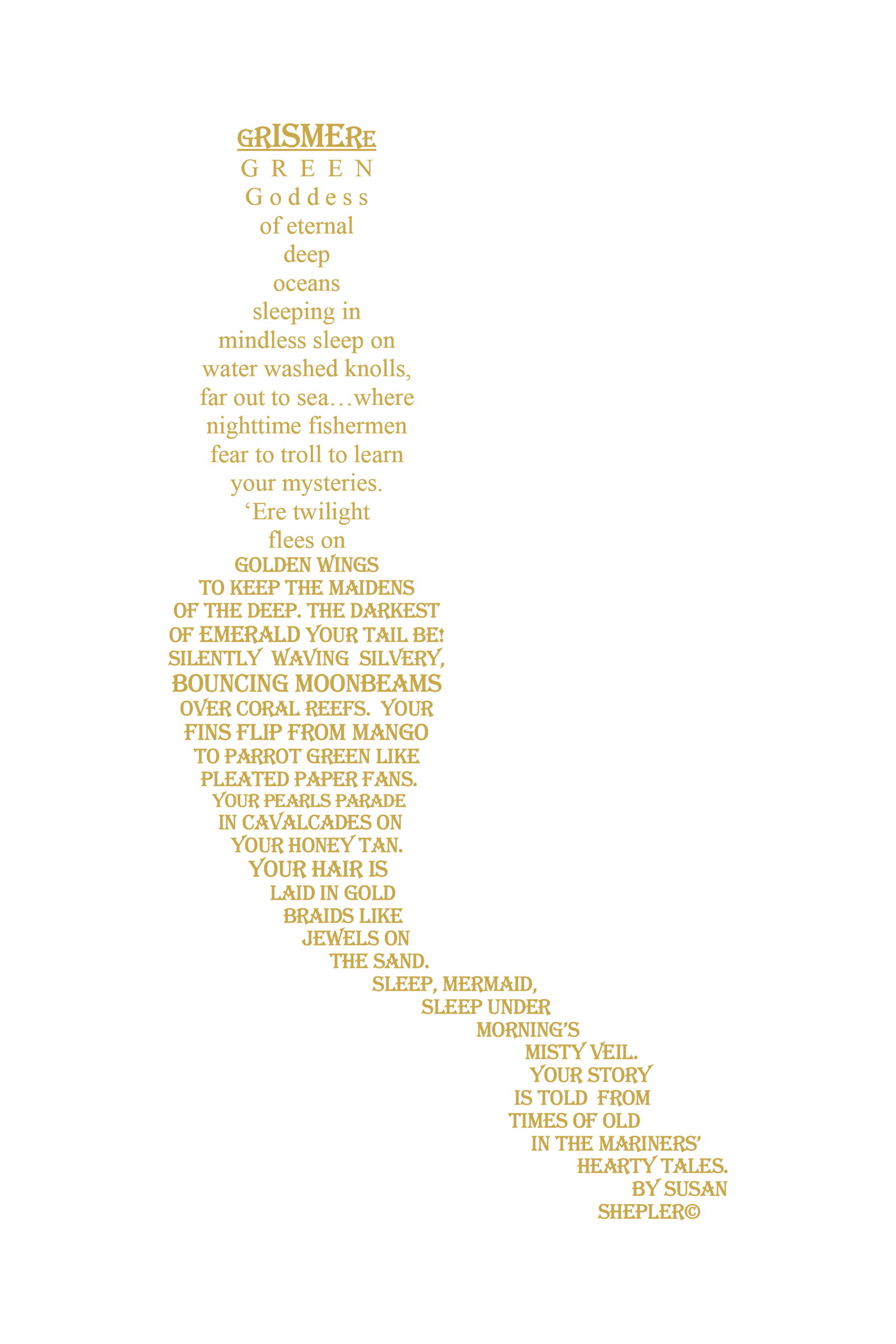
Grismere
Goddess of the Deep · The Lure into the Unconscious

Anima · Earth Mother · Goddess
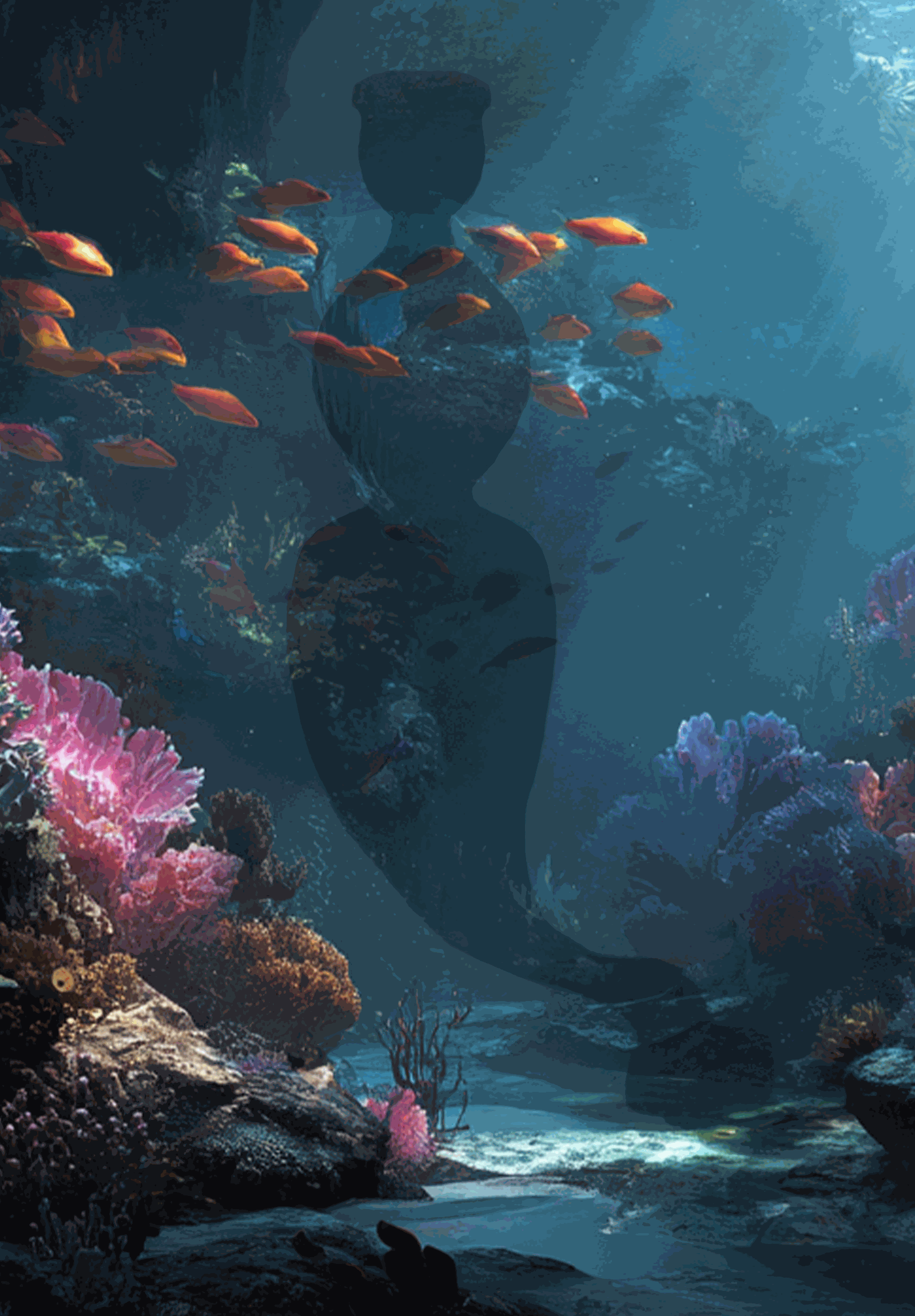
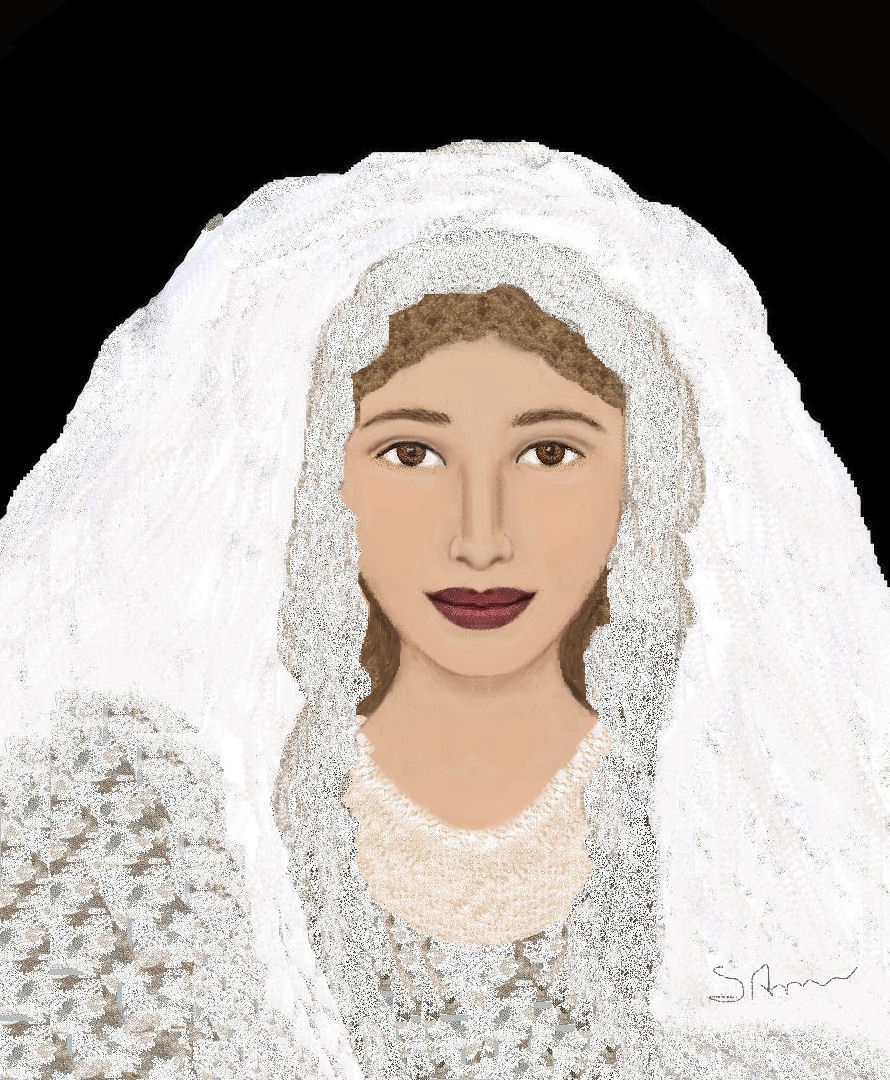
The name Grismere holds her meaning within it. From the Spanish gris — grey, gloomy — and the French mer— the sea — with mère folded silently inside it: mother. She is the Grey Sea. She is the Grey Mother. The two are not separate in her. They never were. This is the nature of the anima — the interior feminine, the soul-image, the figure through which the psyche first turns toward its own depth. Grismere is that figure. She does not point toward the anima. She is the anima.
Grismere is one of a series of archetypal images linked to the process of individuation — the movement Jung understood as universal, leading toward an original state of wholeness. She is an archetype of the collective unconscious: a mermaid, a Goddess, an Earth Mother, an inhabitant of the twilight sphere — bewitching, and luring not toward danger but toward depth.
Whoever looks into the water sees his own image, but behind it living creatures soon loom up… Sometimes a nixie gets into the fisherman’s net, a female, half-human fish. — C. G. Jung
Jung associates the mermaid — siren, nixie, elfin — with the anima: the Eternal Feminine and the Soul-image. Grismere personifies this feminine energy, but her tail is more than unconscious symbol. The feminine image is joined to a decidedly masculine energy, holding both in a single form. She is an indirect portrait of wholeness — of gender, of division, of the self that lives both above and below the surface.
She appears as the Handless Maiden: armless, fragile, incomplete in the world of air. Her tail is her connection to the buried self — to the whole of nature hidden in the sea of the unconscious. To meet her is to recognize the divided self, and to begin the movement toward integration.
Eternal truth needs a language that alters with the spirit of the times. The primordial images undergo ceaseless transformation and yet remain ever the same. — C. G. Jung
Grismere in Motion
Cards Amplified from this Symbol
Four cards emerged from Grismere — each one a different face of the same energy. The mermaid as threshold. As mystery. As the lure of time. As what consciousness cannot yet see in itself.

Unconscious Energy
Conscious awareness is only part of the story

Mystery
As mysterious as the sea

Illusion
Look beyond the ordinary

Time
Time tells many tales
Second Figure · The Anima
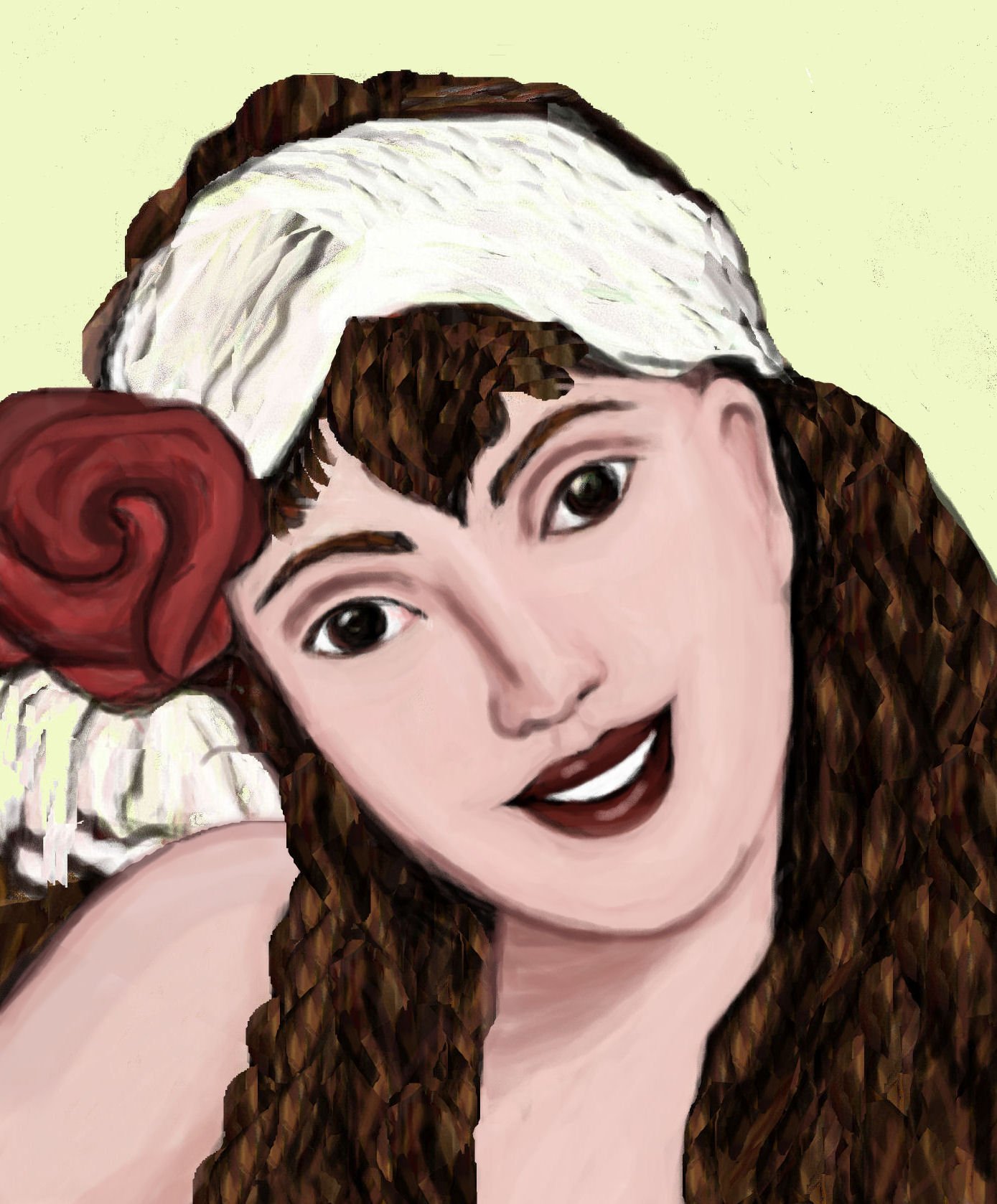
The Ballerina
Love Personified · Dream, Femininity, Energy, Jealousy

Femininity · Love · Unity · Integration
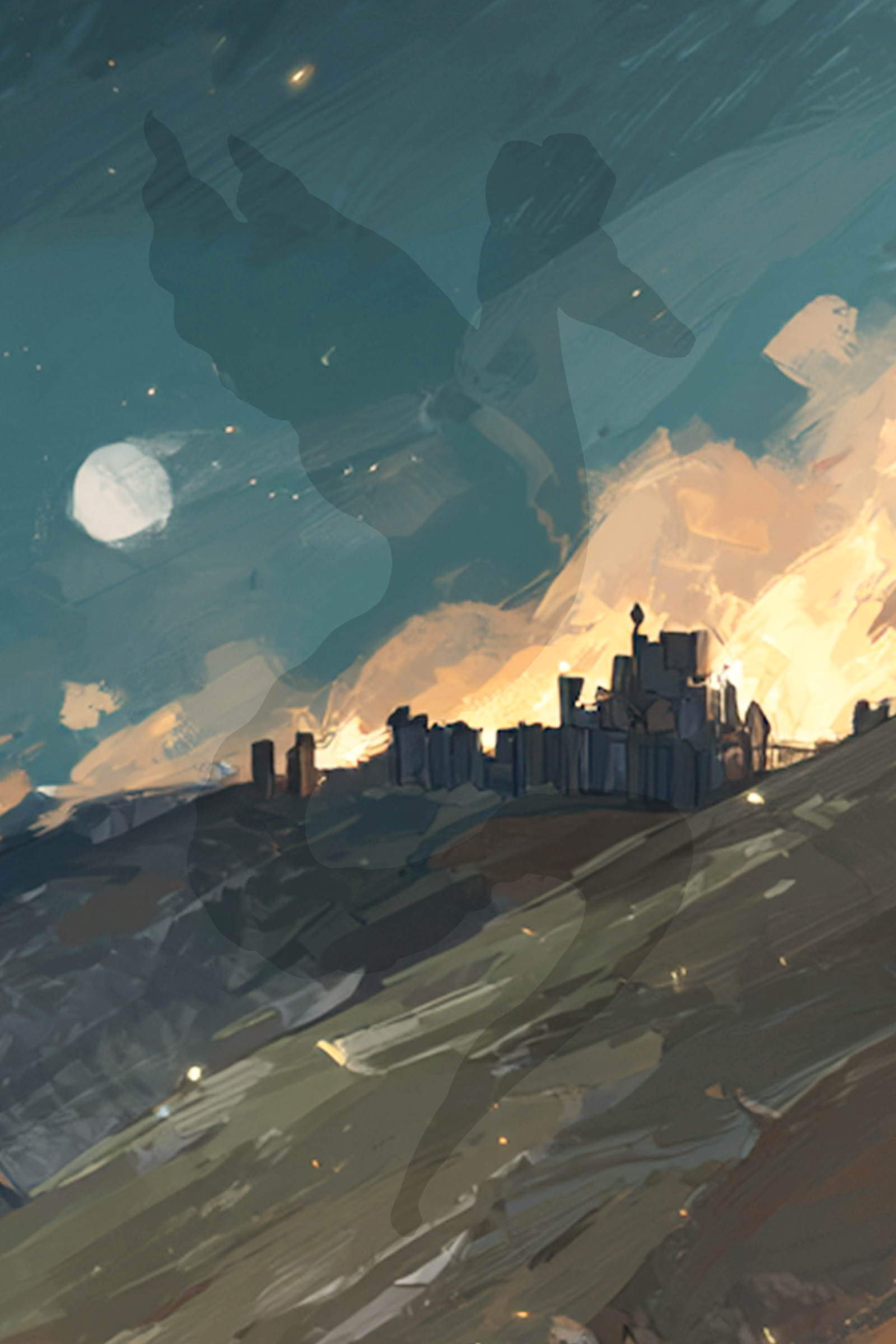
The Ballerina poem is in the shape of a little girl. This is the AwakenArts method made visible: the poem does not describe the figure — it becomes the figure. Pink satin shoes, high laced ribbons crossed at the ankles, a tutu made of words chosen to be felt before they are read.
She dances the dance of individuation. Like most encounters with Jungian archetypes, she arrived not as an idea but as an event — a dream-image, whole and particular, before the analytic mind could arrive to name her. She is love personified. She is also the shadow of love: the projection, the longing, the power given away and slowly reclaimed.
The poem was written seven times. Seven versions. Seven lovably different little girls. Out of the many, at last, came one: Pirouette — animated, spinning, pulsing with a heartbeat. Unity through multiplicity. The hallmark of individuation itself.

The Ballerina in Motion
Cards Amplified from this Symbol
Four cards emerged from The Ballerina — each one a different face of the same energy. The dream that arrives before words. The feminine reclaimed. The axis of spinning and centering. The shadow side of love.

Dream
The dream speaks before the mind is ready

Femininity
The feminine carries more than it is given credit for

Energy
Energy seeks its own center

Jealousy
Jealousy names what has not yet been claimed
Third Figure · The Threshold
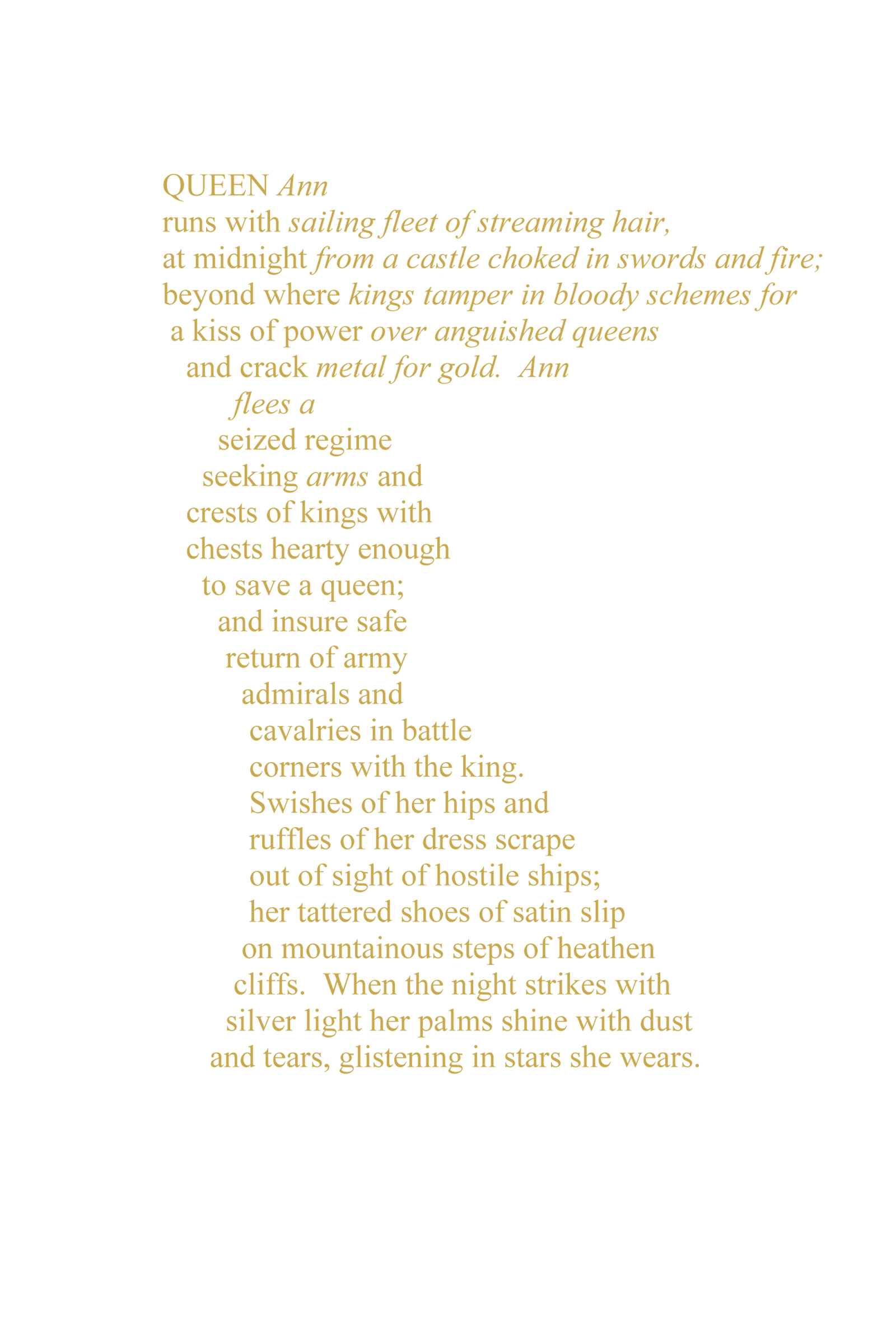
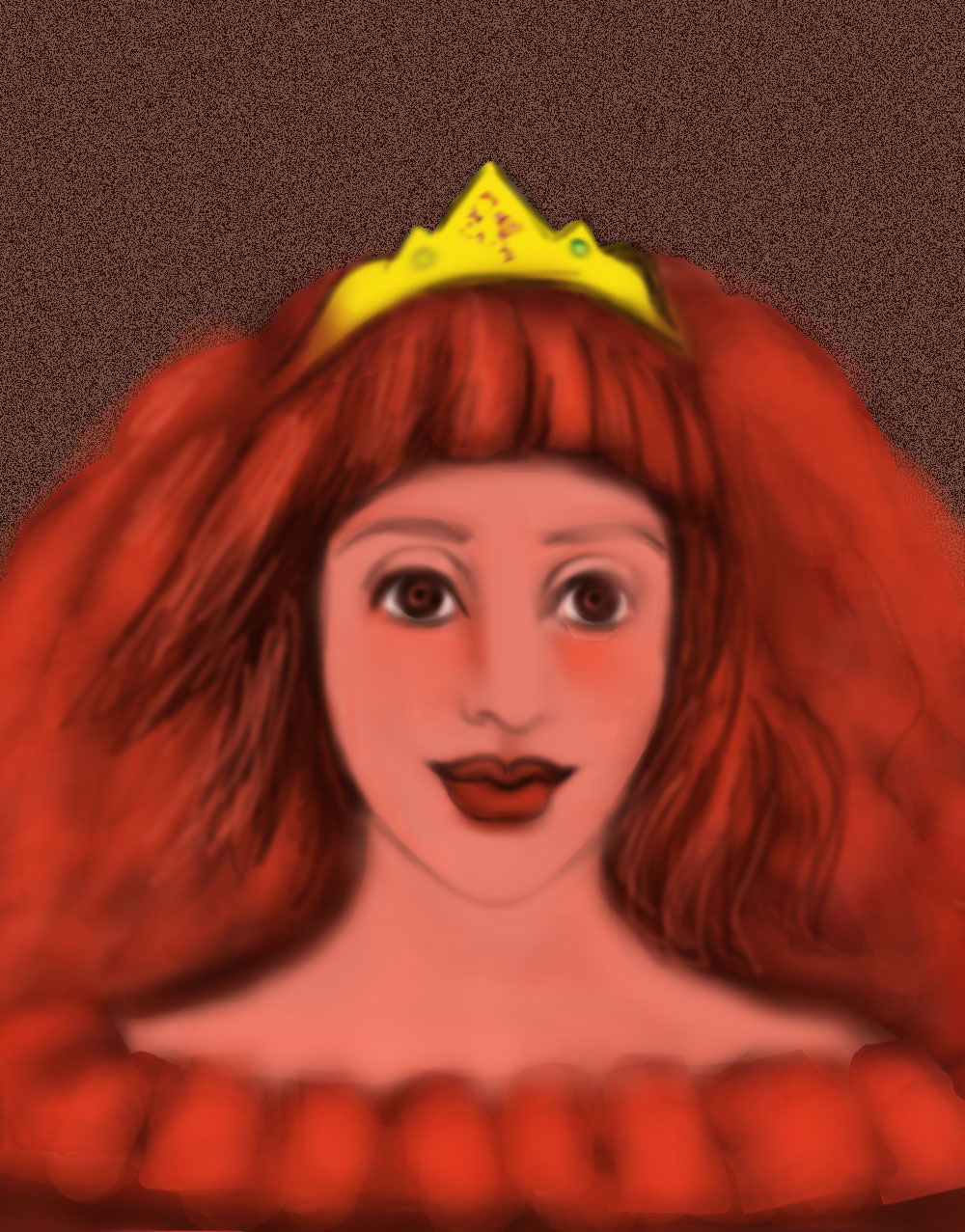
Queen Ann Between Kingdoms
Exile as Initiation · The Passage · Loss · Spirit · Humility · Fear

Threshold · Passage · Becoming
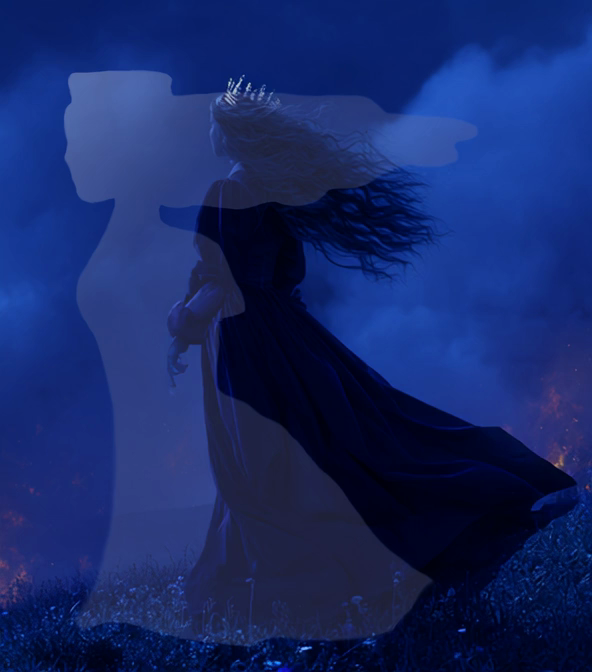
Queen Ann does not stand at the end of a journey or the beginning of one. She stands in the space between — the threshold where the old life has fallen away and the new one has not yet taken shape.
Her name carries the weight of sovereignty. She is a queen. But she is a queen between kingdoms — which means she is a queen without a throne, without the structures that once defined her, walking uncertain ground with nothing left to protect her except the interior courage that does not require certainty to continue.
Four cards rose from her image — each one a different face of the crossing. Lost — the necessary disorientation of leaving without knowing the destination. Spirit — the invisible resource that sustains movement when no external anchor remains. Humility — not defeat, but the releasing of what the ego once claimed as its own, the emptying that precedes becoming. Fear — the honest acknowledgment of what the crossing costs, the trembling that is not weakness but proof of how much is at stake.
The psyche does not grow in comfort. It grows in the confrontation with what is unknown — in the willingness to remain present within uncertainty long enough for something new to emerge. — C. G. Jung
She is every person who has had to continue without knowing why or toward what. In that, she is already at work in you.
Cards Amplified from this Symbol

Lost
To be lost is sometimes the beginning of being found

Spirit
The spirit sustains what the mind cannot explain

Humility
Humility is the doorway the ego cannot fit through

Fear
Fear names what matters — it does not have to stop the crossing
More Figures
The Dove. The King. The Butterfly. The Swan. Each figure holds its own axis. Each poem is its own threshold. More will be added as the work continues.